
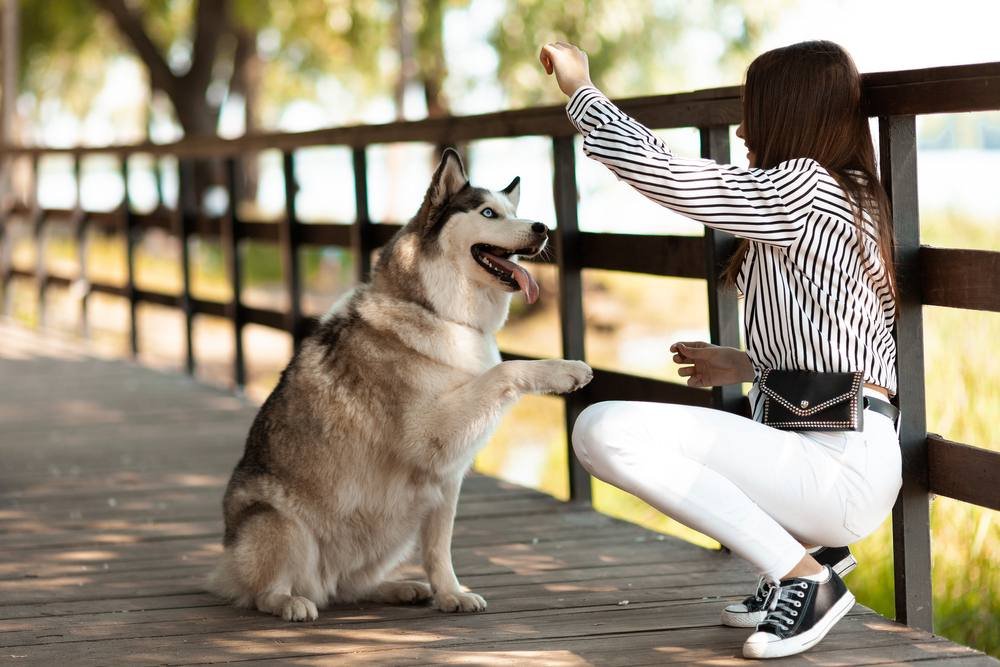
Dog jumping competition are more than just fun; they’re a test of agility, training, and the bond between dog and handler. Rob’s Dog Training emphasizes that excelling in a dog jumping competition requires focused preparation, understanding competition rules, and building confidence in the dog’s abilities. Success in a dog jumping competition is not just about height or speed; it’s about technique, timing, and consistent performance, all of which can be developed through structured training programs tailored by experts.
Preparing for a Dog Jumping Competition
Proper preparation is the foundation for both safety and peak performance in a dog jumping competition. Rob’s Dog Training emphasizes that a structured, step-by-step approach not only improves results but also strengthens the bond between handler and dog.
Key preparation steps include:
- Gradual training: Begin with low jumps to build confidence and proper form. Slowly increase the height and complexity as the dog gains strength and accuracy. Gradual progression reduces the risk of injury and helps dogs understand the mechanics of jumping correctly.
- Conditioning and agility exercises: Incorporate activities such as weave poles, tunnel runs, and balance exercises to enhance speed, coordination, and endurance. A well-conditioned dog is more agile and responsive, allowing for smoother, more precise jumps during competition.
- Positive reinforcement: Reward every successful attempt with praise, treats, or play. Encouraging motivation makes training enjoyable and reinforces learning. Positive reinforcement also reduces stress, which is especially important for dogs competing in high-energy environments.
- Practice consistency: Short, frequent practice sessions are more effective than occasional long ones. Consistency builds muscle memory, sharpens focus, and reduces anxiety on competition day. Repeating jumps under varying conditions, different surfaces, distances, or minor distractions prepares the dog for the unpredictable environment of a real competition.
- Familiarization with competition rules: Understanding height regulations, timing requirements, and scoring methods helps both handler and dog perform confidently. Rob’s Dog Training recommends running mock competitions to simulate real event conditions, which can significantly reduce stress and improve accuracy.
- Warm-ups and cool-downs: Begin each session with light stretches or slow walks to prepare muscles, and finish with calming exercises to prevent stiffness. A proper warm-up and cool-down routine reduces the risk of injuries and supports long-term athletic performance.
By combining structured training, conditioning, positive reinforcement, and familiarity with competition dynamics, handlers can ensure dogs are fully prepared to excel in a dog jumping competition while enjoying the process.
Choosing the Right Equipment
Selecting the right equipment is essential for a dog jumping competition, as it can significantly impact performance, safety, and confidence. Rob’s Dog Training emphasizes that proper gear ensures dogs can focus on their technique without unnecessary distractions or risks.
Key considerations include:
- Adjustable jumps: Choose jumps that can be tailored to the dog’s size, skill level, and progression. Adjustable heights allow gradual increases in difficulty, supporting steady improvement while minimizing injury risks.
- Non-slip surfaces: Safety is paramount. Jumps and landing areas with non-slip surfaces prevent falls and reduce strain on joints. This is especially important during training sessions that mimic competition conditions.
- Lightweight markers and obstacles: Use clear, lightweight markers to define boundaries without creating a hazard. Markers help dogs understand distances and placement, which improves accuracy and timing in competition.
- Durable, safe materials: Invest in equipment made from strong, pet-safe materials. Flexible poles, soft landing mats, and breakaway jump bars can reduce injury risk if the dog misjudges a jump.
- Portable and adaptable setups: Competitions may vary in layout. Training with portable equipment helps dogs adapt to different arenas, surfaces, and spacing, building confidence for any event.
Mental Preparation and Focus
A dog’s mindset is as critical as physical readiness. Rob’s Dog Training highlights that mental conditioning ensures dogs stay confident, focused, and responsive in a high-energy competition environment.
Effective strategies include:
- Simulated competition environments: Recreate the sights, sounds, and obstacles of an actual dog jumping competition during practice sessions. Familiarity reduces stress and boosts performance under real competition conditions.
- Short, frequent practice sessions: Maintaining attention is easier with shorter, consistent practices. Frequent reinforcement prevents mental fatigue and keeps dogs engaged.
- Encouraging cues and positive reinforcement: Use verbal cues, hand signals, or touch to reinforce trust and responsiveness. A confident, happy dog is more likely to perform consistently under pressure.
- Calming techniques: Incorporate brief relaxation periods, slow walks, or breathing cues to help dogs manage excitement or anxiety during training and competition.
Common Mistakes to Avoid
Avoiding common pitfalls can make the difference between a strong performance and a frustrating experience.
Advises handlers to watch for:
- Overtraining: Excessive practice can lead to fatigue, burnout, or injury. Balance intensity with recovery to maintain peak performance.
- Neglecting warm-ups and cool-downs: Skipping these routines increases the risk of strains or joint issues. Proper preparation protects long-term health and ensures smoother jumps.
- Ignoring individual dog limitations: Every breed and dog has unique strengths and weaknesses. Tailor training to each dog’s physical abilities, temperament, and confidence levels to maximize results.
- Inconsistent reinforcement: Dogs thrive on clear, consistent signals. Confusing cues or inconsistent rewards can undermine progress and reduce confidence during competition.
By carefully selecting equipment, prioritizing mental preparation, and avoiding common mistakes, handlers can create a safe, effective, and confidence-building training program that elevates dogs’ performance in any dog jumping competition.
Conclusion
Excelling in a dog jumping competition requires a careful balance of physical conditioning, mental preparation, and proper technique. Rob’s Dog Training emphasizes that consistent practice, combined with structured guidance, is key to helping dogs build confidence, strength, and agility. Using the right equipment, maintaining a positive reinforcement approach, and gradually increasing jump difficulty can elevate both performance and enjoyment for the dog and handler alike.
Approaching training thoughtfully not only ensures safer, more rewarding competition experiences but also strengthens the bond between handler and dog. Handlers who focus on tailored conditioning, mental focus exercises, and familiarity with competition rules create an environment where dogs can thrive under pressure.
Rob’s Dog Training also recommends simulating competition conditions during practice, which helps dogs manage stress, anticipate obstacles, and respond confidently during real events. By integrating these strategies, handlers can consistently achieve higher scores, reduce the risk of injury, and make participation in a dog jumping competition a truly fulfilling experience.